Old Phone: The Bold, Rough Display Font That Demands Attention
In a digital landscape saturated with clean lines, minimalist sans-serifs, and perfectly rounded geometric shapes, standing out requires a deliberate departure from the norm. Designers are increasingly looking for typography that doesn't just convey information but exudes attitude. This is where Old Phone enters the conversation. It isn't merely a typeface; it is a statement piece designed for those who need their visuals to hit hard. With its cool, bold, and rough-styled aesthetic, this font brings a gritty, vintage charm that cuts through the noise of modern web design.
The Character of Old Phone: More Than Just Text
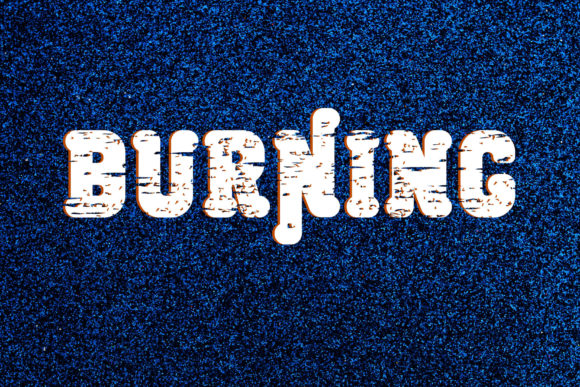
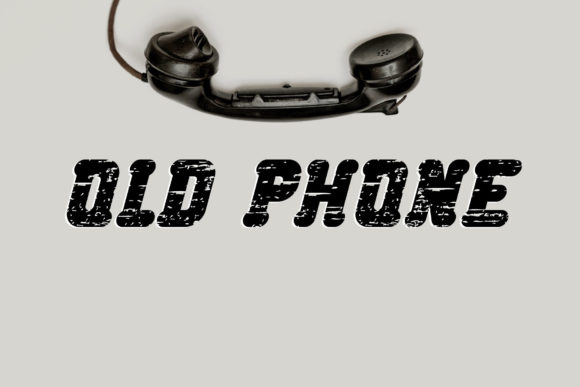
When you first glance at Old Phone, you aren't greeted by the sterile perfection of a standard system font. Instead, you encounter a display typeface that feels lived-in and authentic. The "rough" quality of the letterforms suggests wear and tear, reminiscent of faded newspaper headlines, scratched metal signs, or the static of an analog broadcast. This texture adds a layer of depth that flat designs often lack.
The font's defining characteristic is its ability to project strength. It is inherently bold, refusing to be overlooked in any composition. Whether used as a massive headline on a landing page or a striking accent in a print layout, Old Phone commands the viewer's eye immediately. It possesses a fierce touch that transforms ordinary content into something memorable. Unlike softer serif fonts that invite quiet reading, this typeface demands interaction. It shouts before whispering, making it the perfect choice for campaigns that require immediate impact.
Why Rough Typography Resonates Today
There is a psychological reason why rough, distressed fonts like Old Phone are gaining traction. In an era of hyper-polished, AI-generated imagery, imperfection has become a luxury. A slightly uneven edge or a weathered texture signals humanity. It suggests that there was a real person behind the creation, adding credibility and emotional weight to the message. Old Phone leverages this desire for authenticity, offering a visual language that feels grounded and real rather than digitally fabricated.
- Visual Hierarchy: Its heavy weight allows designers to create instant contrast against lighter body text, guiding the user's attention exactly where it needs to go.
- Nostalgic Appeal: The style evokes a sense of history, tapping into the 70s and 80s aesthetics without feeling like a cheap costume.
- Versatility in Mood: While it can be aggressive, it also carries a playful energy when paired with bright colors or dynamic layouts.
Practical Applications in Modern Design Workflows
So, how does Old Phone fit into the actual workflow of a designer? It is rarely used for body copy. Trying to read paragraphs of text set in such a heavy, textured font would be exhausting for the reader. Instead, its role is strictly that of a display font. It is the star of the show, reserved for titles, logos, posters, and key marketing hooks.
Consider a scenario where a brand wants to launch a limited-edition streetwear collection. The marketing materials need to feel exclusive yet rebellious. Using a standard Helvetica might look too corporate. Old Phone, however, aligns perfectly with the subculture ethos of street fashion. It provides that "fierce touch" needed to make the product feel edgy and desirable. The rough edges mimic the grunge of urban environments, creating a seamless bridge between the physical world and the digital ad.
In the realm of event design, specifically for music festivals, rock concerts, or underground art exhibitions, Old Phone is a natural fit. These events thrive on high energy and raw emotion. Posters featuring this font instantly communicate the vibe of the event before the attendee even reads the date or location. It sets the stage, telling the audience what kind of experience awaits them.
Integrating Old Phone with Digital Interfaces
Moving beyond print, Old Phone has found a robust home in web design, particularly within hero sections and call-to-action buttons. Imagine a website for a rugged outdoor gear company. The main banner features a photograph of a hiker in a storm. Overlaying this image in a crisp, white sans-serif might blend in too much. But using Old Phone in a dark, bold weight creates a dramatic silhouette that pops against the background, ensuring the headline is legible even on smaller mobile screens.
However, integration requires strategy. Because the font is so visually busy, it works best when paired with a clean, neutral secondary font. A simple sans-serif like Roboto or Open Sans serves as the perfect foil, allowing the Old Phone headlines to shine while keeping the rest of the interface accessible. This balance ensures that the site remains functional while maintaining a strong brand identity.
Key Qualities That Make It Stand Out
What specific attributes make Old Phone superior to other display options? The answer lies in its construction and versatility. The "cool" factor comes from its unique character shapes. Each letter is crafted to avoid the uniformity of digital perfection. There is a slight variation in stroke width and a deliberate lack of symmetry that gives it personality.
The boldness of the font is not just about thickness; it is about presence. It occupies space with confidence. This makes it ideal for situations where the competition is fierce. If you are designing a flyer for a local band competing with ten others in the same genre, the one with the most striking typography will likely get picked up. Old Phone provides that competitive edge.
- High Legibility at Large Sizes: Despite its rough texture, the letterforms remain distinct enough to be read clearly when scaled up, which is crucial for billboards and large banners.
- Emotional Resonance: It triggers feelings of nostalgia, rebellion, and authenticity, which are powerful tools in branding.
- Adaptability: It pairs well with a wide range of color palettes, from muted earth tones to neon brights, adapting to different brand identities.
Common Considerations Before Adoption
Before diving headfirst into a project with Old Phone, there are practical factors to consider. The primary concern is context. As mentioned, it is a display font, not a body font. Using it for long-form content will hinder readability and alienate your audience. It must be treated with respect as a focal point.
Another consideration is the medium. While it looks fantastic on screens and print, the "rough" details might get lost if the resolution is too low. When preparing files for large-scale printing, ensure that the vector outlines or high-resolution rasters are used to preserve the integrity of the distressed edges. Blurry textures can make a design look amateurish rather than intentionally rugged.
Furthermore, think about your target demographic. If your audience skews towards conservative industries like finance or healthcare, Old Phone might be too aggressive. However, for lifestyle brands, entertainment, creative agencies, or tech startups aiming for a disruptive image, it is an excellent asset. Understanding the cultural code of your audience is essential to deploying this font effectively.
Pairing Strategies for Maximum Impact
To get the most out of Old Phone, pairing is everything. Since the font is so dominant, the supporting typography should be understated. A classic combination involves using Old Phone for all-caps headings and a thin, elegant serif or a clean geometric sans-serif for the body text. This contrast highlights the strengths of both typefaces.
For example, a coffee shop wanting to emphasize "Hand-Roasted" could use Old Phone for the main title, letting the rough texture suggest the artisanal process, while using a delicate script or clean sans-serif for the menu items. This creates a narrative: the product is tough and real, but the service is refined and precise.
Final Thoughts on the Fierce Touch
In conclusion, Old Phone represents a shift away from the safe, sanitized look of modern digital design toward something more visceral and human. It is a tool for designers who want to inject soul, grit, and power into their work. Its cool, bold, and rough-styled nature makes it an invaluable asset for any project that demands a stronger, fierce touch.
Whether you are revamping a logo, designing a concert poster, or crafting a landing page that needs to convert visitors through sheer visual force, Old Phone delivers. It bridges the gap between past and present, offering a timeless aesthetic that feels fresh in today's cluttered market. By understanding its qualities and applying it with strategic intent, designers can create work that doesn't just sit on a screen—it stands out, speaks up, and leaves a lasting impression.