Ego: The Minimalist Font That Elevates Your Design Without the Noise
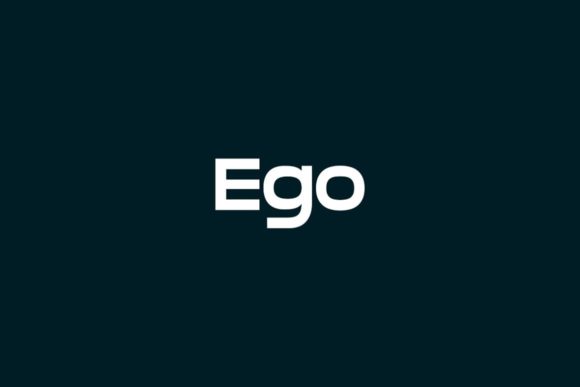
In a digital landscape cluttered with aggressive headlines and chaotic layouts, Ego stands out as a breath of fresh air. It is not just another typeface; it is a minimal and neat display font designed to bring order to visual chaos. While many designers rush to download the latest trendy fonts, they often overlook the subtle power of restraint. Ego offers that restraint without sacrificing personality. Its clean lines and balanced proportions make it incredibly versatile, allowing it to fit seamlessly into a massive array of projects ranging from high-end editorial layouts to simple landing pages.
However, having access to a powerful tool like Ego is only half the battle. The real challenge lies in understanding how to wield it correctly. Many creators fall into the trap of assuming that because a font is "minimal," it requires no thought. This is a dangerous misconception. When used incorrectly, even the most elegant typeface can undermine your message, reduce readability, or damage your brand's credibility. Whether you are a seasoned professional or a beginner starting your first blog, avoiding these common pitfalls is essential for achieving results that look polished and professional.
The Trap of Over-Application
One of the most frequent mistakes I see when evaluating design projects is the overuse of display fonts. Because Ego has such a distinct character, there is a natural temptation to use it everywhere. You might be tempted to apply it to body text, navigation menus, and small captions alike. This approach often leads to visual fatigue. Display fonts are designed to grab attention at larger sizes, not to carry long paragraphs of information.
If you force Ego into roles where a more neutral sans-serif would serve better, you risk making your content difficult to read. Users scanning your website need clear hierarchy. By using Ego for everything, you remove the contrast necessary to guide the eye. Instead, reserve this font for headlines, key statements, or specific branding elements where impact is paramount. Pairing it with a highly legible, understated body font creates a balance that feels intentional rather than overwhelming.
When Less Becomes More
Consider the difference between a headline that says "Our New Collection" in Ego versus a wall of text describing the collection in the same font. The former commands respect; the latter becomes a chore to read. A practical solution is to treat Ego as a spotlight. Use it to illuminate the most important parts of your design, letting other fonts handle the heavy lifting of information delivery. This strategy ensures your audience notices what matters most while maintaining a comfortable reading experience.
Ignoring Context and Brand Voice
Another critical error involves selecting Ego without considering the broader context of your project. While this font is described as matching an incredibly large set of projects, it does not mean it fits every single one. Ego carries a specific energy—modern, confident, and slightly bold. If you are designing for a luxury heritage brand that relies on traditional serif typography to convey history, or a healthcare site that needs to feel warm and organic, forcing Ego onto the project can create a jarring dissonance.
This mismatch affects communication significantly. If your visual language contradicts your message, users will subconsciously distrust the content. Before downloading or buying a license for Ego, ask yourself: Does the personality of this font align with the voice of my brand? If the answer is unclear, it is better to explore other options or adjust your brand guidelines. A font should enhance your story, not rewrite it in a tone that doesn't belong.
Evaluating Compatibility
To avoid this issue, test your chosen font against your existing assets. Create a mockup that includes your logo, color palette, and imagery alongside Ego. Does it look cohesive, or does it feel like two different designs fighting for space? Often, a font that looks perfect in isolation fails when placed in a real-world environment. Take the time to check how Ego interacts with your specific imagery and layout constraints. This proactive step saves hours of rework later.
Overlooking Technical Details and Licensing
For entrepreneurs and freelancers, the technical side of font usage is often an afterthought. There is a significant difference between using a font for personal inspiration and deploying it in a commercial product. Some creators assume that if they find a "free" version of Ego online, they can use it freely for client work. This assumption can lead to legal trouble and unexpected costs.
Always verify the licensing terms before integrating any typeface into a commercial project. Fonts are intellectual property, and the rules vary widely depending on the foundry. Using a font without the proper web or print license can result in cease-and-desist letters, which disrupts your workflow and damages your professional reputation. Furthermore, ensure you have the correct file formats for your intended use. A font optimized for screen display might lack the fine details needed for high-resolution print materials.
- Check the License: Ensure you have the right to use the font for your specific medium (web, app, print).
- Verify File Formats: Confirm that you have .woff2 files for web performance and .otf or .ttf for print.
- Test Rendering: Preview the font across different browsers and operating systems to catch rendering issues early.
Maximizing Impact Through Contrast
The true strength of Ego lies in its ability to stand out when paired correctly. To get the most out of this minimal display font, focus on creating strong contrast. This isn't just about light versus dark colors; it is about weight, size, and spacing. A common mistake is setting the tracking (letter-spacing) too tightly. While tight kerning can sometimes look sleek, it often reduces legibility, especially at smaller sizes or on lower-resolution screens.
Experiment with generous whitespace around your Ego headlines. Letting the letters breathe allows their unique structure to shine. Additionally, consider varying the weight of the font if available. Using a lighter weight for subheadings and a bolder weight for main titles creates a sophisticated hierarchy that guides the reader naturally through your content. This attention to detail elevates the perceived quality of your entire project.
Practical Tips for Better Results
If you are unsure where to start, try adding Ego to your creative ideas with a specific constraint in mind. For example, limit yourself to using the font for only three words on a page. See how much weight those few words carry. You will likely find that the font's impact is amplified when it is not competing with other text. This discipline forces you to prioritize your content and makes your design decisions more deliberate.
By understanding the nuances of Ego and avoiding the common traps of misuse, you can unlock its full potential. It is a tool that rewards careful consideration and punishes haste. Whether you are building a portfolio, launching a startup, or simply organizing your thoughts visually, choosing the right typographic foundation is crucial. Make sure you evaluate your needs, respect the licensing, and let the minimal elegance of Ego do what it does best: make your ideas stand out.
Remember, good design is not about adding more elements; it is about removing the unnecessary so the essential can speak clearly. With Ego, you have a font that understands this philosophy. Use it wisely, and your projects will reflect the clarity and confidence that this typeface embodies.